What You Need to Know About Breast Cancer
Learn the signs and symptoms of breast cancer and what it means to have breast self-awareness.
Prevention Starts With Awareness
Breast self-awareness and regular screenings are key to detecting breast cancer early. Knowing what’s normal for your breasts can help you notice any small changes. Whether you are someone with average risk of getting breast cancer or someone with a higher risk (due to genetics, family history, or dense breasts)., we're here to help. Here are resources and guidance to increase your awareness and help you better understand your next steps.
While you can't fully prevent breast cancer from happening, you can take action to catch breast cancer early. Make sure to get familiar with what's normal for you through breast self-exams. Schedule regular breast exams with your health care provider. If you are over 40 or at an increased breast cancer risk, you should have a mammogram every one or two years. These breast screenings are vital to your health.
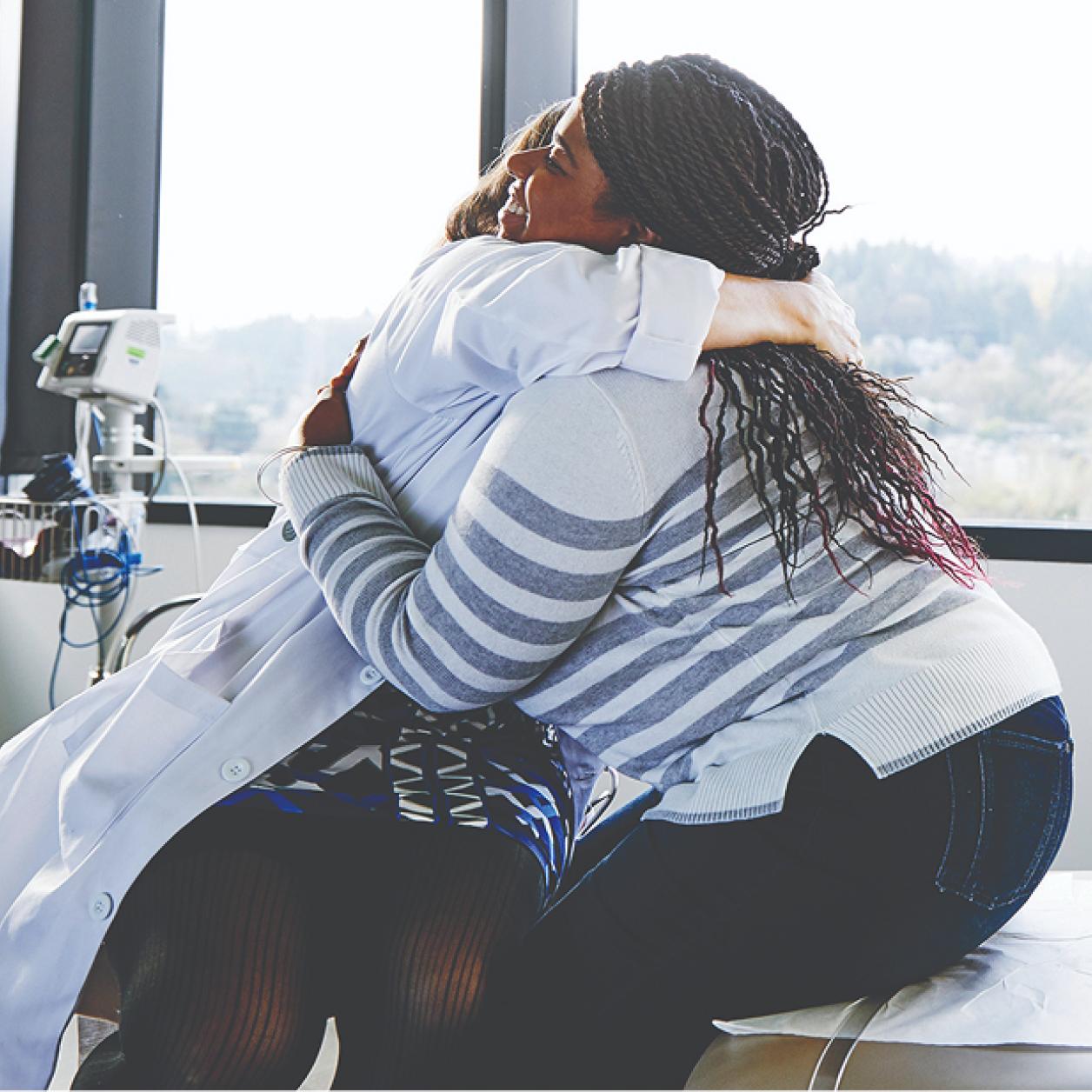
Breast Cancer Self-Examination and Awareness
Read more about self-examination techniques and awareness tips to help you with early detection of breast cancer.
How to Do a Breast Self-Examination
Learn about risk factors and how to self-exam, get reminders, prepare for mammograms, and more on the free Know Your Lemons® app.
Breast Self-Awareness
Experts recommend that you be aware of how your breasts normally look and feel. This is called breast self-awareness.
Know the 12 Signs of Breast Cancer
Do you know what breast cancer can look and feel like? Know Your Lemons is a global charity aimed at improving early breast cancer detection. Take a look at these common signs and symptoms to help you feel empowered during self-exams.


Breast Cancer Can Have Many Signs and Symptoms
Breast cancer does not look or feel the same in all individuals. You may notice just one or two signs at first. In addition, having one of the signs or symptoms below does not automatically mean you have breast cancer. Regular self-exams will help you notice changes. If you see or feel anything unusual, be sure to contact your health care provider for a follow-up appointment or screening.
What are the signs of breast cancer in women?
Hard Lump
A hard lump that can't be moved is the most common sign of breast cancer. While lumps can be caused by many things, it's worth getting checked out.
Thick Area
If you notice a thickened or newly dense part of your breast or underarm, pay attention to it. Does it go away? If not, or it gets worse, contact your health care provider.
Dimple or Indent
An indentation in the breast that doesn't go away might be a sign of breast cancer. This happens when a deep lump in the breast pulls the skin inward.
Crust on Nipples
While some experience scabbing on the nipple while breastfeeding or from eczema, it could also be a sign of breast cancer.
Redness or Swelling
If your breast looks red or feels hot, you may have a common infection. But if the symptoms don't go away with antibiotics, you may have Inflammatory Breast Cancer.
Fluid or Discharge
Infection, breastfeeding, and cysts are all possible causes of nipple discharge. However, if you notice fluid leaking outside of those changes, you may need to speak with your provider.
Skin Sores
Open sores may develop in more advanced stages of breast cancer. This happens when the cancer builds up so much it breaks down the skin.
Bump
Many bumps in the breast are harmless, such as cysts. Some women have more lumpy breasts naturally. But if you notice a bump that seems unusual or concerning, it's good to get checked out.
Growing Vein
An enlarged or swollen vein on the breast can be an unusual sign of breast cancer. This is due to increased blood flow to the tumor.
Sunken Nipples
A nipple may flatten or retract as a breast cancer tumor is pulling the nipple inward.
New Shape or Size
Factors like breastfeeding and periods can cause breasts to change size or shape. However, if you're not breastfeeding or menstruating, or notice that one breast seems to change in size, you'll want to reach out to your provider.
Dimpled or "Orange Peel" Skin
Breast skin that looks like the surface of an orange is a common symptom of breast cancer. It's referred to as "peau d'orange," or "orange peel" in French.
What are the signs of breast cancer in men?
While not common, men can get breast cancer as well. The American Cancer Society estimates that in the U.S., about 2,800 men will be diagnosed with breast cancer in 2025.1 Anyone who is born with breast tissue (which includes men) can get breast cancer. Signs of breast cancer in men are similar to those in women. They include the following.
Lump
If you notice a painless, hard lump in your chest, you should seek medical care.
Thickened Skin
Breast cancer can cause the chest or underarm skin to become thicker.
Nipple Changes
Men who notice crust on their nipples, change in nipple color, nipple discharge, or their nipple retracting should speak to their health care provider.

1 American Cancer Society, Key Statistics for Breast Cancer in Men, https://www.cancer.org/cancer/types/breast-cancer-in-men/about/key-statistics.html, January 16, 2025.
All Cigna Healthcare® products and services are provided exclusively by or through operating subsidiaries of Cigna Healthcare, including Cigna Health and Life Insurance Company, or their affiliates. The Cigna Healthcare name, logo, and other Cigna Healthcare marks are owned by The Cigna Group® Intellectual Property, Inc.
The content provided on this web site is not medical advice and is not a substitute for medical care provided by a physician.